
Look, I love Dany Levy as much as the next person. But while Netflix has released his latest comedy series, Big Mistakes, this week to much fanfare, the streamer has quietly dropped its greatest true crime show ever at exactly the same time.
Those who watched Keep Sweet: Prey and Obey back in 2022 may remember Warren Jeffs, the “prophet” leader of the FLDS (The Fundamentalist Church of Jesus Christ of Latter-Day Saints).
Article continues below
But where one leader disappears, another emerges — and this is exactly what new Netflix series Trust Me: The False Prophet examines. While many followers left at the Arizona-Utah border still believed Jeffs was their prophet, FLDS member Samuel Bateman began to defy his from-prison teachings.
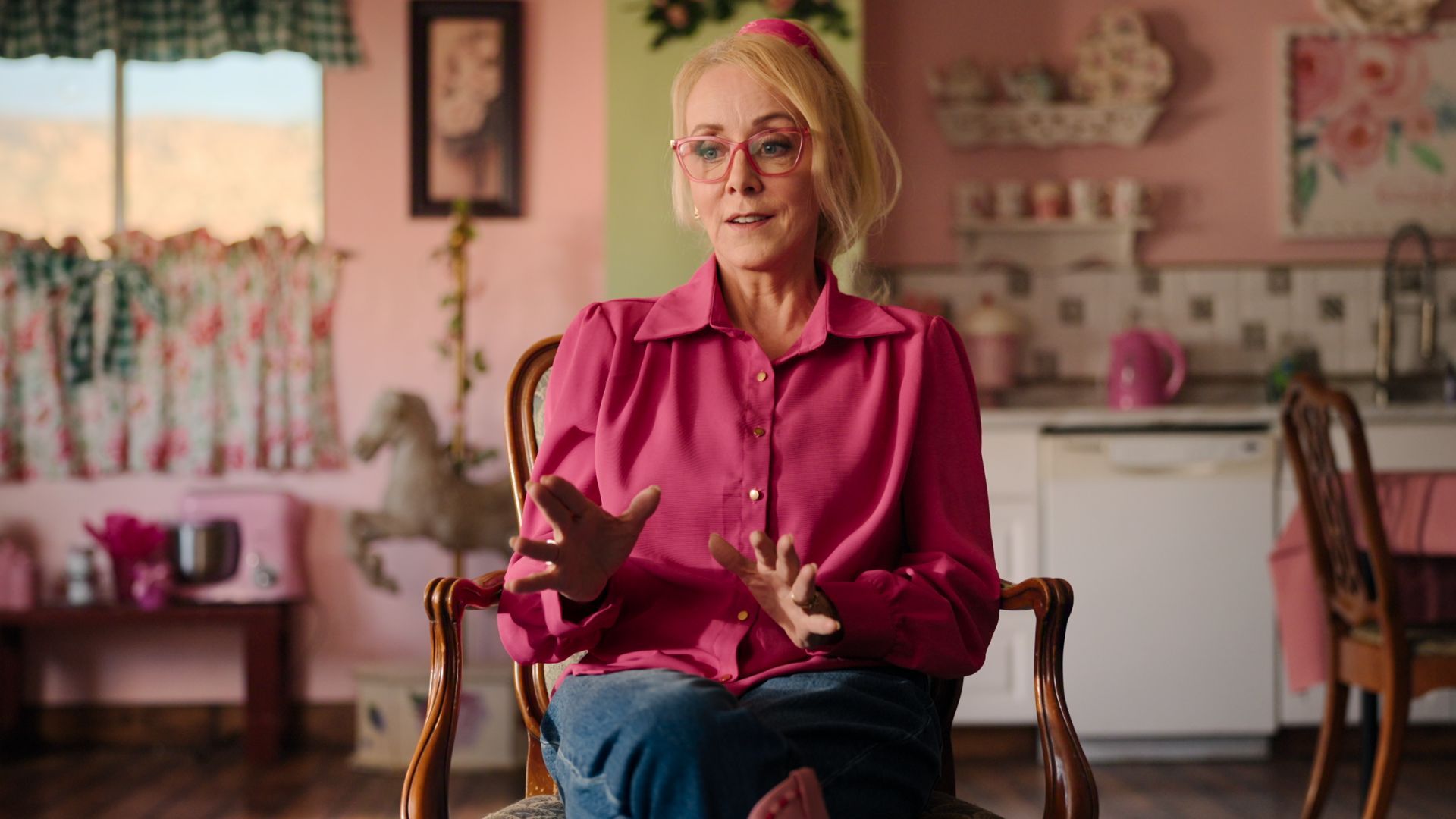
Christine Marie proves the power of individual action in Netflix’s Trust Me: The False Prophet
My biggest issue with the true crime genre on streaming services is that over the last few years, they’ve begun to prioritize entertainment over education.
Where shows like Making A Murderer and Killer Sally once changed their subjects’ lives for the better, traumatic stories are now more often than not dredged up for no other purpose than getting more views.
In Trust Me: The False Prophet, the pendulum finally swings back the other way. Marie even says herself at multiple points during her time undercover that she hopes the docuseries (along with recounting her own personal experience with false prophets) can help to widely educate.
I’d go as far as to say that the four-episode binge educates far more than Marie might even realize. On a broader scale, her tenacity to do the right thing — even when she risks betraying the FLDS wives — is an incredible example of how individual actions can make substantial change.
At a time when the world feels more polarizing than ever, this is something we needed to be reminded of that can actually work. Once Marie effectively works in a collective with FBI agent Dawn Martin and FLDS member Julia (whose daughters are married to Bateman), change becomes even more tangible.

Episodes 3 and 4 dive more intimately into Julia’s self-reflections, realizing how her actions have affected the responsibility she has as a mother. It’s an incredibly brave omission, spending months walking the metaphorical tightrope between being outed as a mole and trying to course-correct her daughters’ lives.
While the truth behind Bateman’s behavior grows more horrifying by the minute, I’m incredibly struck by the candour, tenderness, and sticking power that’s been poured into Trust Me: The False Prophet. As Marie says, opening your heart to people who have opposing beliefs to you can help to create real, meaningful change.
Marie was successful and helped a number of Bateman’s young wives rebuild their lives after his conviction. We throw the word “hero” around a great deal, but I truly believe that she’s the modern-day definition.
What makes this even more powerful is her vow to continue her work with the FLDS community long after Trust Me: The False Prophet leaves the cultural conversation.
I come away from watching it feeling like I can be a better, more compassionate, and aware person because of what I’ve watched. If that isn’t a sign of impeccable filmmaking, I don’t know what is.
Follow TechRadar on Google News and add us as a preferred source to get our expert news, reviews, and opinion in your feeds. Make sure to click the Follow button!
And of course you can also follow TechRadar on TikTok for news, reviews, unboxings in video form, and get regular updates from us on WhatsApp too.